
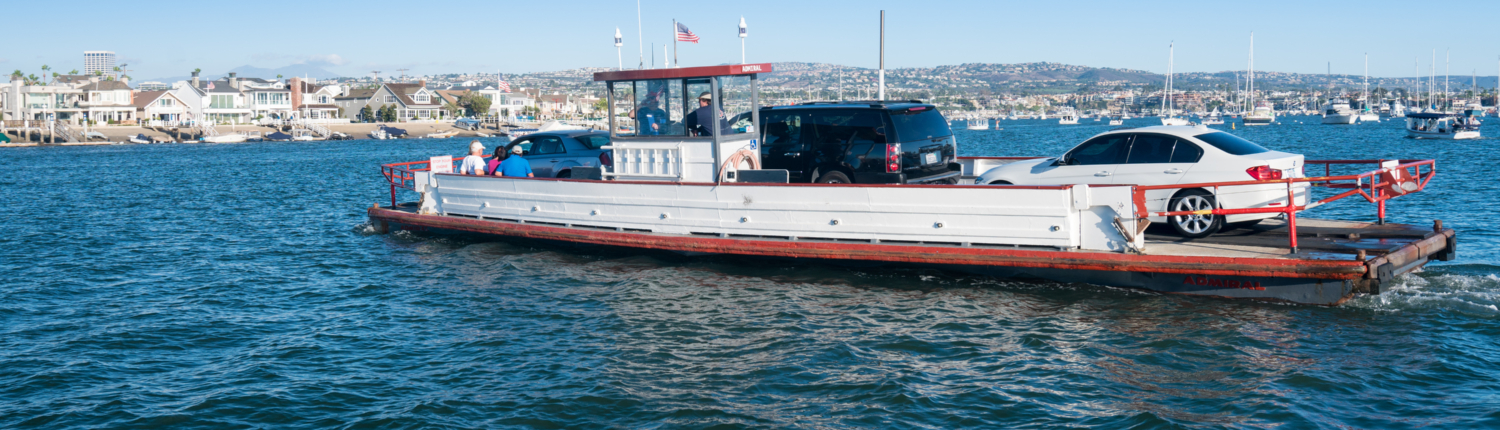
In its infinite wisdom, state agency issues mandate that could ultimately sink the ferry operation
By Gary Sherwin – March 10, 2023
Source: Stu News Newport In its infinite wisdom, state agency issues 031023
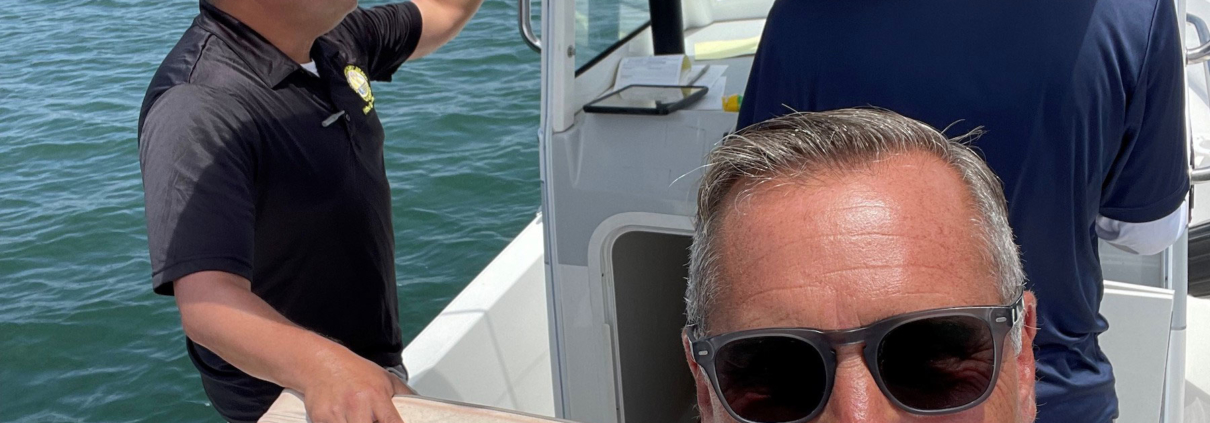 Paul Blank
By Amy Senk
Corona del Mar resident Paul Blank was named Newport Beach Harbormaster last spring, a grand achievement to cap off an on-the-water lifestyle that began at age 10 with a two-week sailing class offered through the city’s recreation department. The harbormaster’s job is typically described as being a lead ambassador for Newport Harbor, one of the largest recreational harbors in the country, and includes overseeing a dozen or so employees and an annual budget of $1 million-plus. But like most things in the past year or so, the first several months have been filled with surprises. I caught up with him to learn more.
Q: What role did you play as harbormaster in the days after the oil spill, and what stands out in your mind now as the most notable thing that happened?
A: The response to the Amplify Energy Oil spill in early October was swift and multifaceted. My specific roles included surveying the harbor beaches for oil contamination, monitoring the harbor entrance for potential intrusion or contamination and participation in the City of Newport Beach Emergency Operations Center, which integrated with the Unified Command Response managed by the U.S. Coast Guard. A huge amount of my time was spent communicating my findings to others in the EOC and the UCR as well as with Harbor constituents and my patrol team in the Harbor Department. When the decision was made to close the harbor entrance, I was there to witness it and then established a patrol presence to advise mariners in a firm but friendly way of the closure and alternatives while they were unable to get in or out of the harbor. As the situation evolved, my role shifted into advising mariners, local businesses and residents where they could go for support or to file claims for loss or damage sustained as a result of the spill. I also spent considerable time and effort supporting the vessel decontamination site that was established at Marina Park. I am thankful that through the duration of the crisis, we were not forced to close or curtail activities on the harbor. Sailing classes, races, rowing, paddle boarding and casual harbor cruising all continued even though the entrance was closed. While not everyone could engage in all the activities they may have wished to while the entrance was closed, the harbor remained clean, safe and well enjoyed.
Q: We keep seeing mega yachts off the coast of Newport Beach. Have they caused any problems?
A: Newport Harbor has become a more popular port of call for mega yachts this year. Some vessels choose to enjoy anchorage off Big Corona Beach for their visits. Others have stopped there while waiting for a favorable tide to enter and transit the harbor. I am pleased to have made the process of reserving and making use of the Large Vessel Anchorage easier for the yacht managers. I am also pleased with the tenor and tone of the dialogue that continues with nearby residents and businesses. Concerns remain about traffic and congestion in that part of the harbor, but no negative impacts have been observed or reported to me. Newport Harbor is a “no-discharge harbor,” meaning no waste or refuse may go overboard. All vessels mooring or anchoring in Newport Harbor, including these mega yachts with dozens of paid, professional crews, are subject to dye-tab testing of their marine sanitation systems. This is the method we use to test the integrity of the vessel’s plumbing and waste holding tank. One vessel was tested upon arrival recently and didn’t pass. We allowed the crew an opportunity to check the settings on all their pumps and valves. A little less than an hour later we returned to re-test and the vessel passed. No pollution or waste was discharged into the bay in that first test, so no citation was issued, and the vessel was welcome to stay in the harbor. If any vessel is subsequently witnessed discharging into the bay, citations are written which come with a financial penalty and the vessel may be asked to leave the harbor. Thankfully it doesn’t happen very often.
Q: What is the Take Back Our Harbor movement, and what are your thoughts about it?
A: Take Back Our Harbor is the tagline for the newly formed Newport Harbor Foundation. The Foundation is a nonprofit group with a mission similar to the Newport Bay Conservancy. While the Newport Bay Conservancy is focused exclusively on improving Upper Newport Bay –essentially everything north of the PCH Bridge – the Newport Harbor Foundation is focused on preserving and improving the lower Newport Harbor. While I am not directly involved with the group, I am supportive of their mission. The group’s efforts align nicely with the Harbor Department’s goal of keeping the harbor clean, safe and well enjoyed.
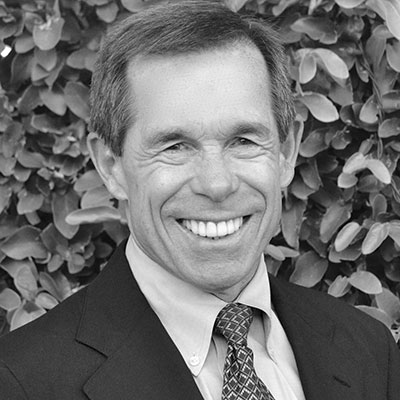
Newport Harbor Foundation Chairman Dennis Durgan has announced the addition of Newport Beach Harbor Commission Chairman William “Skip” Kenney to the Foundation’s board of directors.
Kenney joins former Newport Beach Harbormaster Dennis Durgan, Val Lyon, and Devon Kelly.
“As we build out our board of directors Skip Kenney’s almost eight years of service as a harbor commissioner and over forty years of business experience is a welcome addition to the Foundation’s board,” said Dugan. “Skip was instrumental in the complex redrafting Title 17 of our Harbor Code so it reflects current conditions in the bay. He listened to the multitude of stakeholders and worked with his colleagues to help create a blueprint for the harbor that helps the Foundation with our goal of taking it to the next level.”
“My service on the Harbor Commission will end next June,” said Kenney. “I am excited about transitioning to the Newport Harbor Foundation and their mission to preserve our most important asset while improving it for future generations. I appreciate the Board’s confidence in me to help realize their mission.”
Kenney has been involved in the shopping center industry for over 40 years, many of which were spent at Donahue Schriber, a well known Southern California based shopping center developer. He formed The Kenney Company in May 1995 to pursue new development opportunities and challenges.
He is a past Chairman, President, and Treasurer of the California Business Properties Association, and a past State Governmental Affairs Chairman for the International Council of Shopping Centers (ICSC).
He currently is the Chief Financial Officer of Balboa Yacht Club and has been serving on the City of Newport Beach Harbor Commission since 2014, including three terms as Chairman.
The Newport Harbor Foundation was incorporated in 2019 as a 501C3 non-profit educational corporation dedicated to the preservation and improvement of Newport Harbor. At a recent kick-off luncheon, the Foundation raised $550,000 towards their goal of $2.5 million to purchase police boats and fire boat for the harbor.
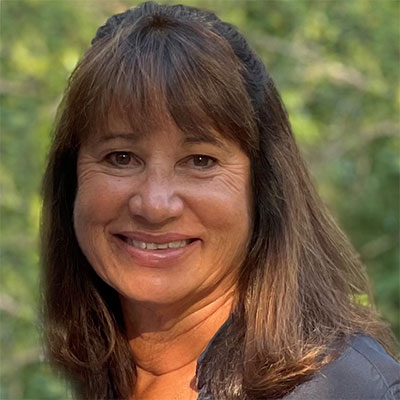
Longtime Newport Beach resident Devon Kelly has joined the Newport Harbor Foundation board of directors.
“Devon brings a wealth of harbor history and knowledge to the Foundation’s mission. She has spent her entire life sailing on the bay and volunteering in the community. Her boundless energy is welcome as we push towards taking our harbor to the next level for all to enjoy,” said Newport Harbor Foundation Chairman Dennis Durgan.
“I’ve sailed throughout the United States and Mediterranean and believe Newport Harbor is a treasure that needs to be maintained and managed properly for future generations,” said Kelly. “I look forward to working with the Foundation to develop programs to improve water quality and enhance the harbor’s ecosystem for recreation, boating, and commerce.”
Kelly was born and raised in Newport Beach and grew up sailing and cruising to Catalina. She attended Newport Harbor High School and Cal Poly San Luis Obispo. She and her husband Gregg have two children who live locally. Kelly taught school at Carden Hall Elementary in Newport Beach, and coached field hockey at Newport Harbor High School. She has served on the Newport Harbor High School Educational Foundation and also was a Board member on the Lido Isle Community Association.
The Newport Harbor foundation was incorporated in 2019 as a 501C3 non-profit educational corporation dedicated to the preservation and improvement of Newport Harbor. At a recent kick-off luncheon, NHF raised $550,000 toward their goal of $2.5 million to purchase police boats and fire boats for the harbor.

Share this entry