
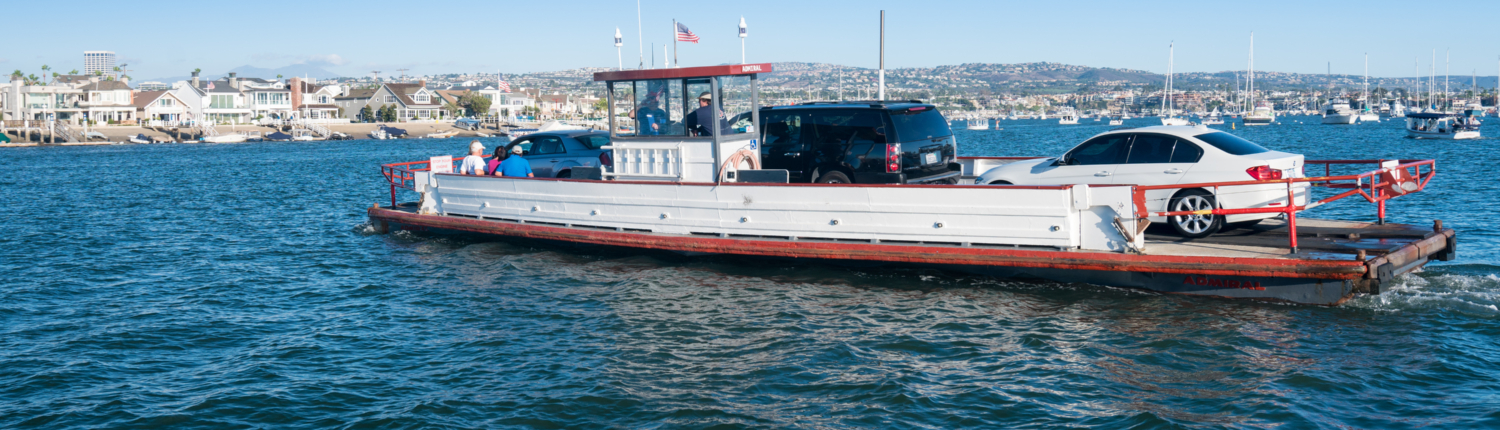
Balboa Island ferry no longer in jeopardy after getting $7.9 million grant
March 20, 2024
Source: KCAL News
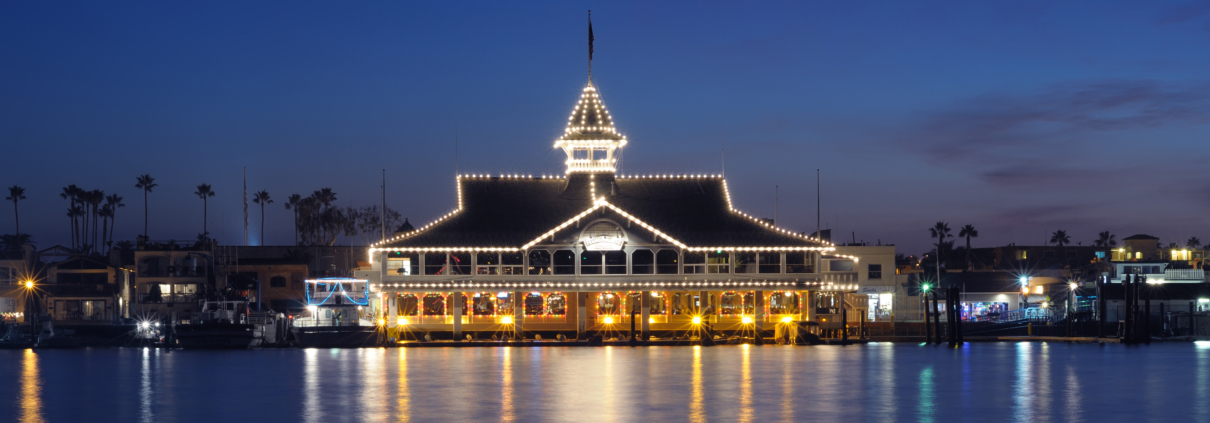
Newport Beach has a handful of iconic attractions that have stood the test of time: The Newport Pier, which replaced the original McFadden Wharf (1888-1939) and is registered as a California Historical Landmark; the Balboa Pavilion, which opened on July 1, 1906 and is the city’s oldest standing building; and the Balboa Island Ferry, which went into service in 1919 to bring cars and passengers across 900 feet of water between Balboa Island and the Balboa Fun Zone.
Michele Gile reports from Newport Beach with Seymour Beek, where many are celebrating that the beloved Balboa Island ferry’s fate is no longer in jeopardy after receiving a $7.9 million grant to convert from diesel to zero-emissions operations by 2025.
2023 was a busy and productive year for the City of Newport Beach, thanks to strong leadership and our extremely professional staff.
We have been working diligently to increase public safety, address quality-of-life issues, and make strategic investments to further improve our great city.
Here’s a look at some of our 2023 successes:
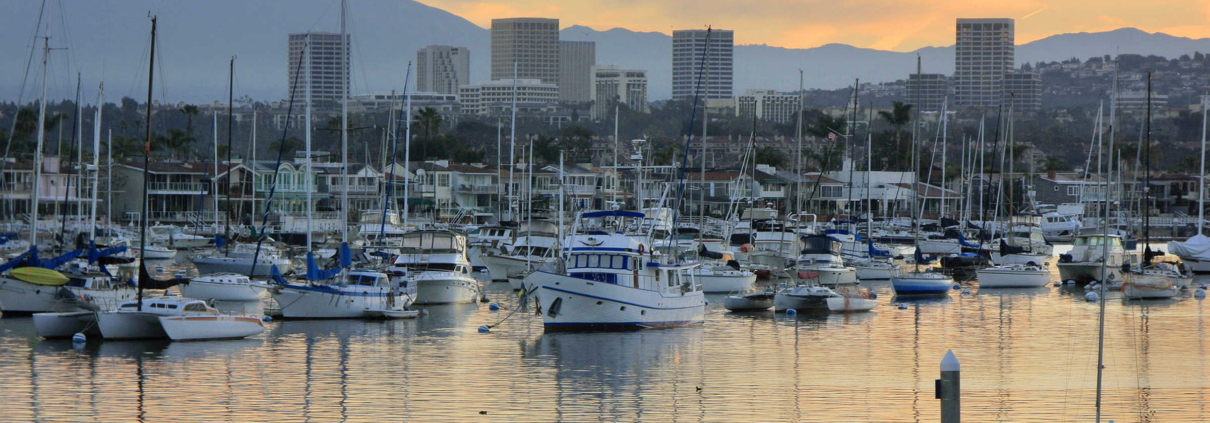
The City of Newport Beach has introduced a new license program offering 16 onshore and offshore City-owned moorings to the public in a variety of sizes. Applications for the initial licenses will be accepted through March 1, 2024.
The new program is designed for vessel owners to lease moorings long-term without having to acquire a permit, sub-permit or mooring equipment.
Monthly fees will be charged based on the size of the mooring, starting at $162 a month for an 18-ft. mooring. There is no cost to apply for one of the 16 new mooring leases.
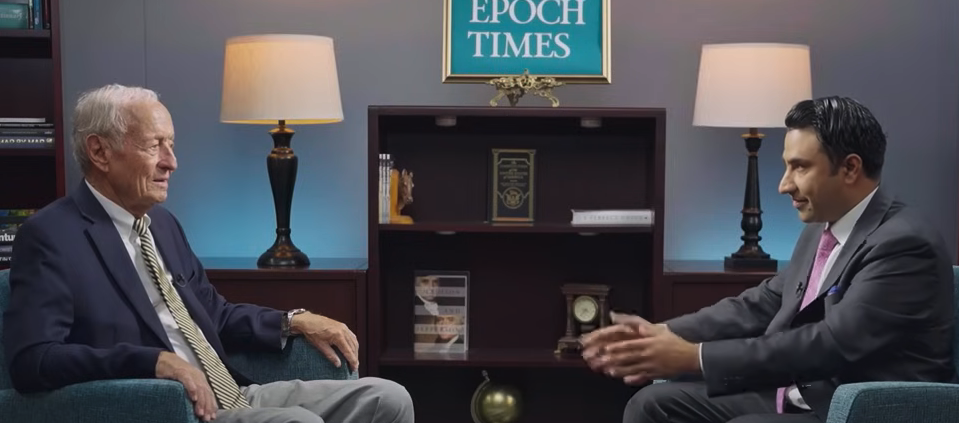
Siyamak sits down with Seymour Beek, president of Balboa Island Ferry, one of Southern California’s oldest family-owned businesses. Today he will discuss the new rules in California aimed at reducing emissions and how they will impact small businesses.
“CARB made a rule that all short run fairies in California had to be zero emission by 2026. We consume an average of 26 gallons of fuel a day. You’re not gonna save the world by making us go zero emission,” Mr. Beek said. “They haven’t really examined the consequences of the rules they’re making. It’s extremely challenging, extremely expensive.”

Share this entry