
Rain to Rubbish
Source: Stu News Newport – https://stunewsnewport.com/index.php/2-uncategorised/14903-guest-column-hon-robyn-gran-041823

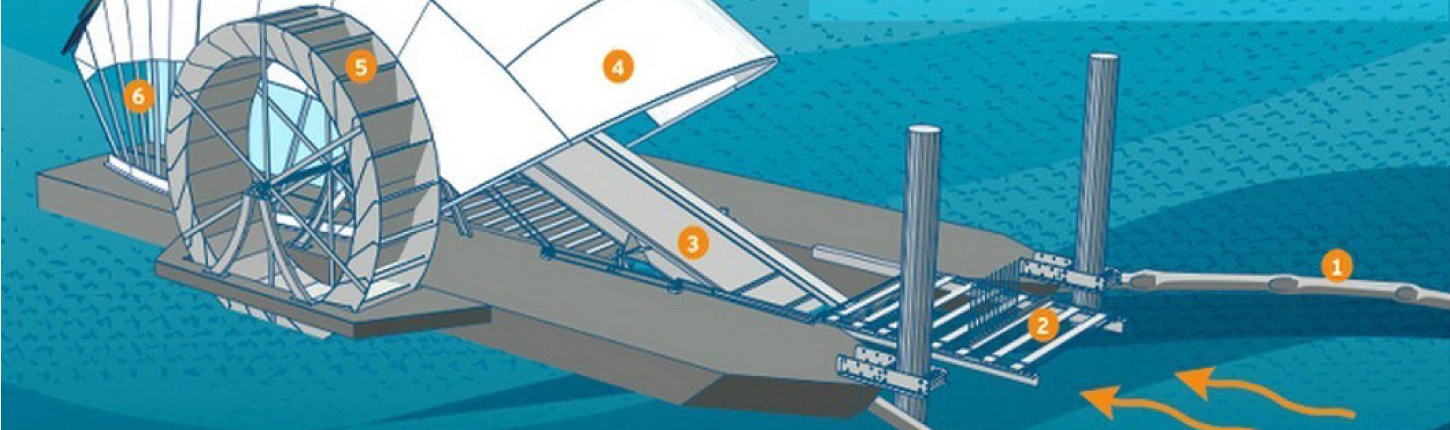
A close-up example of the trash interceptor
March showers have given way to April flowers. The recent storms left in their wake perfect conditions throughout Southern California for thriving vegetation – a super bloom resulting in lush landscapes carpeted with abundant wildflowers.
The storms also replenished many of our major water supply reservoirs and significantly refilled our groundwater basin, resulting in higher-than-average levels compared to many years when these resources remained in limited supply indefinitely.
These same storms have another, less favorable effect on our community, as Newport Beach is at the end of the water “pipe” when it comes to trash and debris flow. Much of the trash deposited on our local beaches and in our bay originates inland. It is transported here during rain events through storm drains, flood control channels, and rivers and creeks. The result, a significant increase in trash and debris hurtling downstream and depositing in our midst. This includes pollutants like fertilizers, pesticides, chemicals, animal and human waste, and oil and car debris, as well as common trash.
The city takes the impact of this trash very seriously. Street sweeping covers 36,000 miles a year keeping debris from reaching our waterways. Maintenance crews clear close to 800 tons of material from our beaches each year. A “debris boom” in Upper Newport Bay collects an additional 80 tons a year. The Harbor Department pitches in to clear floating debris after storm events. Other measures include storm drain and catch basin capture devices and marina trash skimmers deployed throughout the bay.

Conceptual photo showing trash interceptor positioned in San Diego Creek just above entry into the Back Bay
Another project in the works: The city is planning to install a water wheel trash interceptor 800 feet upstream from Upper Newport Bay. The 17-foot-tall wheel on a 70-square-foot barge (picture a conch shell crossed with a steamboat) will be permanently docked to intercept up to 80% of the trash flowing from inland Orange County before it can hit Newport Harbor and the open ocean.
In addition to city efforts, there are steps each of us can take to be mindful of our beautiful coastline:
– Place all waste in the appropriate containers, whether organic, recyclable, or regular trash.
– Pick up after pets. Animal waste can carry disease and parasites harmful to marine life as well as contaminate swimming areas with bacteria.
– Use environmentally friendly products inside and outside the home. Non-organic insect and rodent pesticides and fertilizers can enter and harm ocean and bay environments and wildlife.
– Practice good automotive maintenance. Use biodegradable and phosphate-free car washing products. Repair leaks and contain oil drippings for proper disposal.
– Eliminate single-use items like straws and carry-away food containers.
– Consciously reduce the amount of waste you create by reusing, repurposing, and recycling.
The good news is that more and more people are ready to work together to keep our city, beaches and bay in good shape. It’s easy to make a positive impact – get educated on waterwise environmental practices, implement safe household routines and volunteer for one of the many community beach cleanups that occur throughout the year.
Link: https://stunewsnewport.com/index.php/2-uncategorised/14903-guest-column-hon-robyn-gran-041823
By Laylan Connelly – Orange County Register
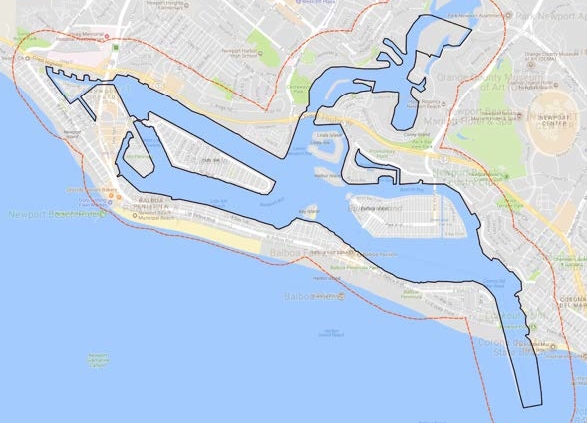
Officials have secured $8.3 million to dredge Newport Harbor in the $14 billion Infrastructure Investment and Jobs Act, but sand replenishment projects for two stretches of Orange County coastline were not included.
U.S. Rep. Michelle Steel said dredging of Newport Beach’s harbor is long overdue in her announcement Wednesday, Jan. 19, about the federal funding, but also stressed the need for added sand along the coastline. Funding for the Surfside-Sunset Replenishment Project, which would seed beaches through Huntington Beach south to Newport Beach will have to hope for final approval from another Congressional appropriations bill, the timeline of which has been unclear.
So is the San Clemente Shoreline Project, which would replenish beaches in the southern city, including improving the buffer of shoreline along a key coastal rail line.
Both projects have been stalled for years, awaiting funding for U.S. Army Corps of Engineers to do the replenishments that help create a beach buffer that would protect roads, homes and infrastructure from ocean flooding, as well as keep beaches – one of the region’s major tourism draws – from disappearing.
In 1962, Congress passed the Rivers and Harbors Act, which required the Army Corps of Engineers to address the impacts of the constructed flood control structures on the sand deposits that should be happening naturally along shorelines.
The $23 million Surfside-Sunset project – $15.5 million in federal money and $7.63 from local agencies – would add 1.75 million cubic yards of sand to Surfside, which would then be pushed down the coast by ocean currents and waves, spreading it 12 miles south to Newport Beach.
The last time sand was added was 2010 – previously the replenishment happened every five to seven years.
“There is more work to do, and I will continue to demand action from the administration and the Army Corps to fully fund the Surfside-Sunset Replenishment Project because we are one natural disaster away from devastation,” Steel said in a statement.
San Clemente has been waiting about two decades for its big replenishment project. The city two years ago received a boost in the amount of $500,000 in federal funding for the design phase.
With no beach left, a wave crashes against the rocks and stairs just below the railroad tracks at North Beach in San Clemente on Wednesday, October 20, 2021.(Photo by Mark Rightmire, Orange County Register/SCNG)
The project would add 251,000 cubic yards of sand from Linda Lane beach to T-Street beach south of the pier. The sand has shrunk so much there in recent years, city leaders have discussed the possibly of moving San Clemente’s Marine Safety Headquarters off the beach. When big surf hits, the surf laps onto the railroad tracks.
About $9.3 million was requested in the bipartisan infrastructure bill by U.S. Rep. Mike Levin for the San Clemente Shoreline Project.
Levin helped secure $30.5 million in federal funding for the Encinitas-Solana Beach Coastal Storm Damage Reduction Project and $1.8 million for the Oceanside Special Shoreline Study, his office announced Wednesday.
The Encinitas-Solana Beach project involves placing 700,000 cubic yards of sand along 7,200 feet of beach in Solana Beach and 340,000 cubic yards of sand along 7,800 feet of beach in Encinitas.
The Oceanside shoreline study will create a plan to mitigate erosion and other effects from the construction of Camp Pendleton Harbor and will restore beach conditions along the affected shores to the conditions that existed before its development.
Levin’s office said he is also “continuing to fight to finalize federal funding for the San Clemente Shoreline Project.”

Share this entry