

REPORT UPDATE — Abandoned and Derelict Vessels
A follow-up status of two significant derelict vessels, both of which were removed from the harbor last week.
I am pleased to report that “New Beginnings”, a 1972 Hatteras 56’, which was known as a problematic vessel in several Southern California harbors, was dismantled and removed from Newport Harbor last Friday, January 16th. During its dubious final stay in Newport Harbor, it racked up more than $50K in fines and fees. The cost to have the vessel and its hazardous contents removed was more than $30K. It’s unlikely another harbor would have dealt with this situation as swiftly and completely as we have. Other harbors don’t have the laws/codes, resources, and focus on the potential for situations like this to devolve so thoroughly.

New Beginnings – Dismantled
The vessel “Haven” was also removed permanently from the harbor last week after a lengthy and complicated stay.
A foreign owner purchased the vessel about a year ago with the best of intentions for having it transported to a lake near his home in Europe and then undertaking a restoration.
Unfortunately, the owner was unfamiliar with many of the challenges associated with such a project, including but not limited to:
- How a 60+ year old, 40’ wooden boat could be transported internationally
- The boat yard that handled the inspection and was keeping the boat until transport arrived wanted to be paid and the boat removed so the space could be freed up for other work
- Aside: the boat yard eventually asked the Harbor Department to execute an impound to have the vessel removed from their premises
- There were costs associated with continuing to store the boat here in Newport Harbor, as arrangements were made to transport it
- Registration and insurance requirements associated with storing a boat in Newport Harbor
- Operability requirements associated with storing a boat in Newport Harbor
All this to say, the owner quickly gave up on the project and left the situation for us to deal with.
In this case, we were able to recoup a portion of the costs for removal and destruction from the owner who abandoned the vessel.
There is one other significant vessel in our sights at the moment. The boat is in impound with us, and we have just initiated the process to declare the boat abandoned.
The registered owner has claimed for several months that he is prepared to retrieve it and have it brought into compliance with harbor requirements.
However, the boat yard with which he has been in negotiations just last week informed us they are no longer willing to do business with the owner.
We will move forward as quickly as legally allowed with the eventual removal of this vessel as well.
Warm regards,
Paul Blank
Harbormaster
Harbor Department
City of Newport Beach
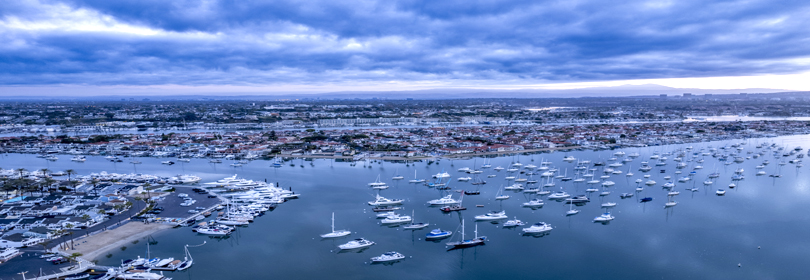
This week I’d like to recognize critical, often unsung members of our City team who perform a vital service during rainstorms: the Utilities Department crews that pump storm water and operate the tide valves on Balboa Island and the Peninsula.
The valves, which were built in the 1970s to replace a system from the early 1900s, are necessary to prevent flooding in low-lying areas. They are manually operated, and need to be closed during high tides to prevent seawater from flooding the streets. Once the tide recedes, crews reopen the valves — nearly 90 in total — to allow water to flow from streets to the bay.
In some ways, on some days, we all live trashy lives.
Even an inadvertently dropped gum wrapper via the forces of gravity, wind, and water runoff finds itself in company with all manner of discarded detritus heading to our oceans and beaches.
Trash is strictly a human byproduct. Just walk Newport’s sands after a crowded summer day. Or stand by the outflow of the Santa Ana River, or the entrance to the Upper Bay estuary post-storm to witness the “flood” of trash tangled in broken foliage washed downstream, to either float offshore, rest on our beaches or become locked in the life-giving vegetation of the Back Bay.
In some ways, on some days, we all live trashy lives.
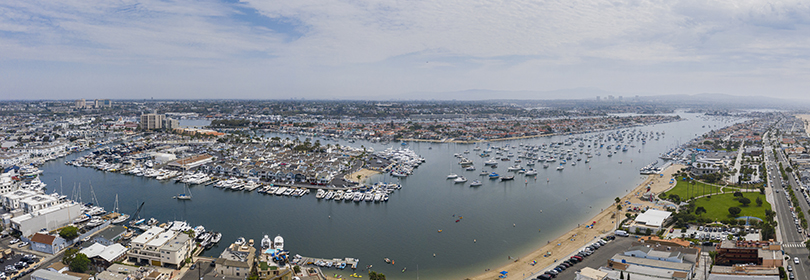
Even an inadvertently dropped gum wrapper via the forces of gravity, wind, and water runoff finds itself in company with all manner of discarded detritus heading to our oceans and beaches.
Trash is strictly a human byproduct. Just walk Newport’s sands after a crowded summer day. Or stand by the outflow of the Santa Ana River, or the entrance to the Upper Bay estuary post-storm to witness the “flood” of trash tangled in broken foliage washed downstream, to either float offshore, rest on our beaches or become locked in the life-giving vegetation of the Back Bay.

Share this entry